With Love Island back on our screens, complete with its familiar rituals of ‘pulling someone for a chat,’ group debriefs, and forensic analysis of interpersonal dynamics, it’s hard not to notice how much of that language and behaviour now feels… familiar. Not just on reality TV, but in the workplace too.
The programme’s high-intensity communication style has prompted us at Loch to reflect on how interpersonal relationships at work have evolved over recent years, particularly after the pandemic, and not always in ways that support healthy, productive work environments.
Kate Rigby, HR Director and Laura Acosta, Senior Training and Wellbeing Consultant at Loch, here reflect on the marked shift they’ve seen in how people raise issues, resolve conflict and communicate discomfort at work, and discuss what employers can do to re-establish clarity, trust and accountability, without losing the empathy and flexibility that modern work rightly demands.
The ‘Love Island effect’: Reality-TV conversations in real workplaces
The COVID-19 pandemic didn’t just transform how and where we work, it reshaped how we relate to each other. Five years on, many employers are still grappling with a new interpersonal landscape, one marked by oversharing, generational communication gaps, rising sensitivity to feedback and a noticeable decline in face-to-face conversations. While some shifts have brought welcome openness and empathy, others have introduced new strains on teams, managers and organisational culture.
It’s these kinds of challenges the Loch People team is increasingly helping clients overcome, delivering a range of HR services to support managers in navigating complex interpersonal dynamics with confidence and consistency.
“Understanding these behavioural changes is the first step to managing them,” comments Kate. “The second is setting clear, confident expectations for how people communicate, collaborate, and show up at work.
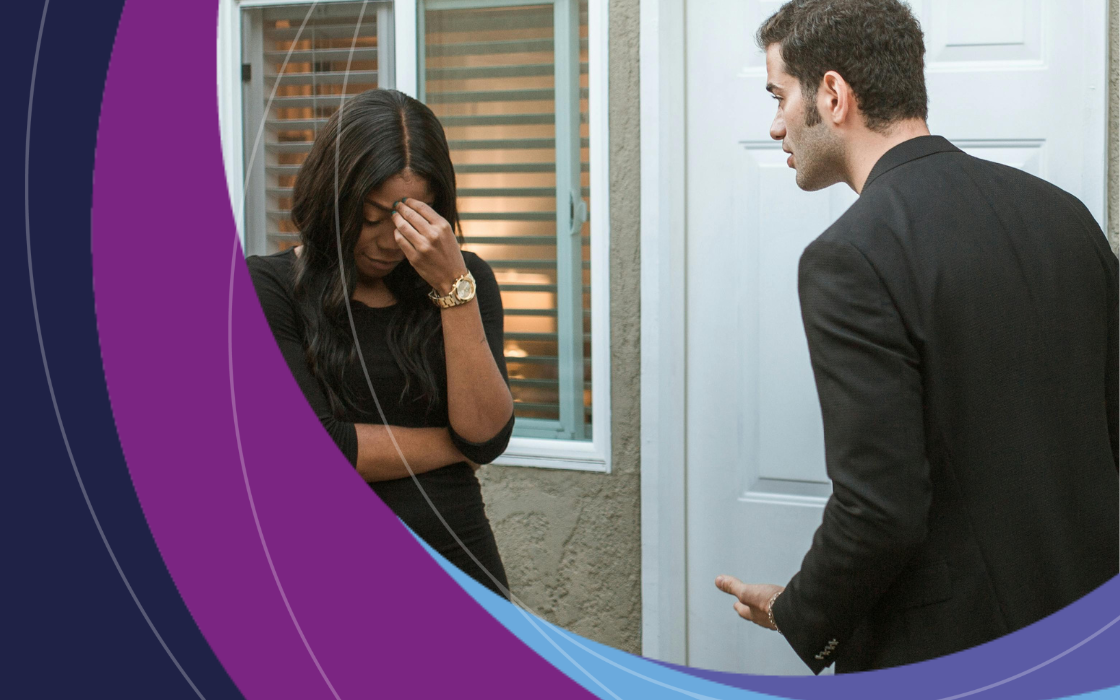
Kate continues: “One of the more surprising cultural shifts we’ve seen is what some are now calling the ‘Love Island effect.’ Rather than raising issues discreetly with a manager, reality TV staples, such as ‘pulling someone for a chat,’ public airings with multiple colleagues after every minor incident and drawing others into unnecessary conflict, have begun to creep into workplaces. This behaviour doesn’t just drain time, it can lead to sides being taken and escalating drama, making genuine resolution harder.”
While openness about issues can be healthy, wide audience debriefing rarely is. It blurs lines between support and gossip, leaving managers to untangle emotional narratives rather than address the underlying problem. For many managers, knowing how to intervene in these moments, without inflaming emotions or appearing unsympathetic, is one of the hardest parts of the role. This is where leadership training and coaching can make a real difference, giving leaders practical tools and language to reset conversations early.
Generational gaps in how we talk, and don’t talk
Laura adds: “We’ve also noticed a widening gap between generational communication styles. Baby boomers, Gen X and millennials may expect immediate, in-person escalation when an issue arises, while Gen Z may prefer messaging first, thinking time or even avoidance entirely if the conversation feels high-stakes. These mismatched expectations can create misunderstandings about intent, urgency or professionalism.”
These shifting employee expectations is one of the reasons Loch launched Business Excellence Workshops last year, designed to strengthen workplace culture, establish clear standards for professionalism and etiquette and align teams with shared values and goals. You can read more about this here.
Oversharing, triangulation and emotional spillover
Remote work normalised bringing more of our personal lives into professional spaces (pets, children, caring responsibilities, emotional stressors etc). While this humanised many teams, the openness has persisted beyond the context that created it, often contributing to blurred boundaries.
“Oversharing personal or interpersonal problems can unintentionally rope colleagues into situations they cannot solve,” comments Kate. “Triangulation – seeking validation or support from multiple coworkers about a conflict – can easily turn one interpersonal issue into a team-wide dynamic, if not handled correctly.”
Left unchecked, these patterns often end up escalating to HR far later than they need to. Early HR involvement, whether through informal guidance, mediation or manager support, can prevent issues becoming formal or entrenched.
“For managers, the challenge is balancing empathy with containment, ensuring people feel supported without allowing personal issues to dominate team culture,” continues Kate.
A decline in live conversation
“One of the most persistent post-pandemic shifts is a reluctance to talk live,” Kate adds. “Messaging platforms can feel safer and more controllable than phone calls or in-person conversations, and we’ve seen this play out in a number of ways, including employees being reluctant to speak to clients face to face or by telephone, as well as people calling in sick by text or email, escalating complaints through written channels before attempting a conversation, and even people resigning via email or message.”
Laura adds: “These behaviours often stem from discomfort, guilt or a desire to avoid perceived conflict. But they deprive both employee and employer of opportunities for dialogue, support and resolution, and can significantly damage trust. We’re increasingly seeing organisations invest in practical communication training, particularly around difficult conversations, to rebuild confidence in speaking live, rather than defaulting to written escalation.”
Rising feedback sensitivity
Feedback has also become harder to give and harder to receive. Part of this is generational, part cultural and part psychological. “More employees describe intense emotional reactions to perceived criticism, and in some cases this may relate to Rejection Sensitivity Dysphoria (RSD) – a heightened sensitivity to real or perceived rejection, often associated with ADHD or neurodivergence,” comments Laura. “Managers need to understand that for some individuals, feedback can feel threatening rather than constructive.”
In these situations, one-size-fits-all approaches rarely work. Loch’s leadership training and coaching can help managers adapt their feedback style while still holding performance standards, particularly in neurodiverse teams.
Helpful approaches include:
- Flagging feedback conversations in advance so they’re not a surprise
- Using curiosity-driven language, for example, “can we explore what happened?” rather than “here’s what went wrong”
- Focusing on behaviour and desired outcomes, not personal traits
- Checking in on how the feedback landed and offering space to process
Boundaries, expectations, and the ‘no consequences’ myth
Another challenge is the perception among some employees that workplace boundaries are flexible or optional. “Some of our clients report instances of individuals leaving work early for personal reasons without discussion, assuming the organisation will absorb the impact. The normalisation of relaxed lockdown-era boundaries has made it difficult to re-establish professional norms,” comments Kate.
Similarly, a belief that there are ‘no real consequences’ can encourage indiscreet or harmful behaviours, such as openly criticising the organisation, gossiping or undermining other colleagues.
Laura shares: “When accountability is unclear, behaviour can often drift. The solution isn’t harsher rules, it’s consistent, early reinforcement of expectations and clear escalation routes. This is where our Business Excellence Workshops really come into their own. The goal is to co-create a framework of excellence that employees and management alike can embrace and implement.”
Workplace relationships will continue to evolve. By setting clear expectations, communicating them consistently and supporting managers to uphold them, organisations can navigate these changes with confidence.
If you’d like support with any of the challenges you are facing with managing people, please get in touch with us via hello@weareloch.com or call 0203 667 5400.